

Let me start by saying I need to acknowledge that I have a large bias here. I went into the mental health field to connect and help others improve their lives. I am of the philosophy that we, as humans, are messy and complicated. No shocker there, hopefully, but I do think it takes another human to understand the messiness and complexity of humanity. As a licensed forensic therapist, I think that makes it more exciting to discuss the potential strengths and weaknesses of AI’s place in mental health care. As AI continues to take over various roles and responsibilities in almost every industry, health care is no exception. There have been stories in the news for the past few years of people sharing their experiences of using AI as a form of therapy. I can understand it’s appeal as mental health care can be costly, and by using ChatGPT or any other AI software, you’re able to cut that cost. AI is always available, and the software tends to be non-challenging or critical of the information you put in. However, we can’t ignore the “cons” that arise with AI, and it’s effectiveness in providing therapy. For example, in talk therapy, you create goals with your therapist. In order to achieve each goal, there may be moments where your therapist needs to challenge you to get where you want to be. This cannot occur when AI is simply agreeing and regurgitating what you input. A temporary relief of being agreed with or reaffirmed can lead to long-term struggles with working on goals and achieving long-term progress and peace. I challenge you to reflect on both the pros and cons of using AI as a mental health tool and make the decision for yourself.
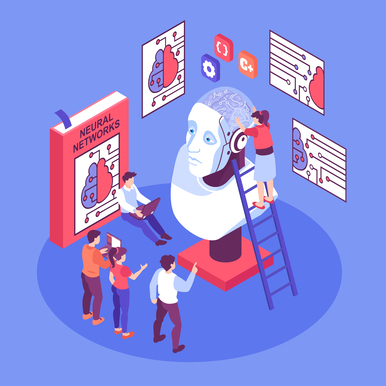
While I said I was biased, I also want to be fair, as we cannot ignore how using AI as a tool in therapy could be helpful. Psychologists have stated that some general use of chatbots can be helpful for basic psychoeducation and executive functioning tasks in between sessions (Abrams, 2026). Let’s say your therapist gives you homework to work on creating a healthy morning and evening routine to better work on your sleep schedule and in the long term, help with mood regulation. Using AI could help organize your thoughts and create a realistic plan for you to implement. Individuals with ADHD can use AI tools to help simplify daily tasks, making motivation and focus more accessible (Sophos, 2025). The following tasks have been identified by the organization Children and Adults with ADHD (CHADD) as items AI can help people with; helping get started with tasks, organizing responsibilities, breaking down complex tasks, and providing study/learning schedules (Sophos, 2025). See I was fair; there are some benefits in using AI in tandem with therapy! The American Psychological Association (APA) has even created a safety guide to help those who choose to use AI as a mental health resource. It reviews how to critically think about the content AI gives back to you, and I believe is vital to review when using AI as a resource. (Abrams, 2026). Critical thinking is needed in order to ensure you properly think through whatever information the chatbots give you. Take a second to review the safety guide linked below!
APA Guide to Navigating AI-Generated Advice Thoughtfully and Safely, 2026
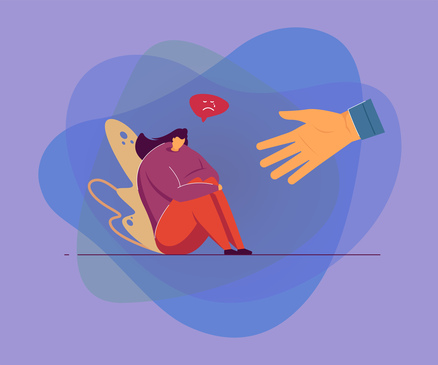
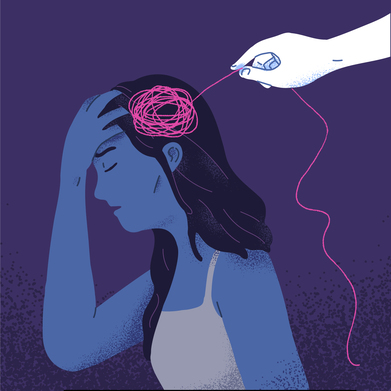
Areas of concern related to AI’s use in mental health care are vast. One concern being, how can a chat bot really understand humanity? True compassion and understanding can only come from flesh and bone. Having a therapist who knows and cares for your goals can be a great way to model a healthy relationship with solid boundaries. While your therapist is likely unavailable 24/7, this gives you the chance to apply skills discussed in sessions and gain confidence in your own ability to handle the highs and lows life can throw our way. Experts in the field have stated that over-reliance on AI tools can actually prevent individuals from developing essential skills (Abrams, 2026). While I could go on and on about the benefits of human-to-human interaction, it’s also important to understand clinical standards that licensed mental health therapists have to abide by to ensure safety for all. AI does not have a license to practice therapy/mental health services and, in turn, struggles to follow the correct crisis response. A study was done in 2025 in which six popular chatbots were given a simulated mental health crisis, and none met the clinical standards for a crisis response (Abrams, Z.). This possibly stems from the other issues previously stated of AI prioritizing agreeing with the user and their wanting their satisfaction rather than any clinical ability to provide a risk assessment (Abrams, Z). While discussing certain topics may feel uncomfortable, going to AI to avoid that discomfort can be more damaging than helpful. Another weak spot AI has is the inability to “read between the lines” and pick up on nuance in what you may input. For example, a licensed therapist will pick up on your body language, context clues, and patterns in speech and affect. This is something AI is unable to do and can be vital in working on one’s mental health.
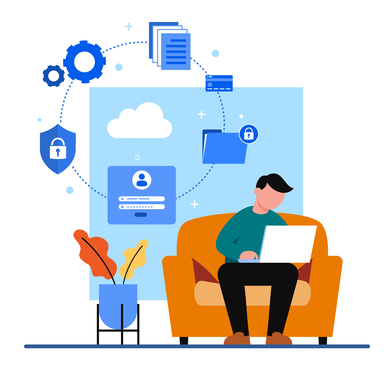
Privacy is yet another critical area of concern when using AI tools. Licensed mental health counselors are trained in following strict guidelines to help protect client information, otherwise known as HIPAA. Without this protection, your personal information along with details about your mental health can be exposed. AI doesn’t follow the same privacy standards and many tools require access to your personal information. Even when using a chatbot as a guest, it only takes a few data points to connect information to you (August, 2025). This might not be something you think of when opening up a new tab, but it’s important to take the time to reflect on what information you are comfortable sharing.
As you move forward, whether you use AI as a mental health resource or not, I do hope you take into consideration the pros and cons of it’s use. While there are many more discussion points on this topic, I urge you reflect on what you feel comfortable with as the landscape continues to evolve. Doing more research on the subject as AI keeps evolving is also ideal if you plan on using AI for mental health. If you’ve decided to take more of a human approach, there are cost-effective ways to get therapy. Most clinicians offer “sliding scale” as a helpful resource that includes you discussing what you’re able to afford and coming to an agreement with your prospective therapist. Everyone’s situation is different, so exploring sliding scale could be an effective way to see a therapist with less financial stress. Additionally, clinical interns are another great avenue for exploring more affordable mental health care, as they provide therapy with the supervision of a licensed clinician at a lower rate. While it seems AI isn’t going away, I hope if you decide to use it, you do so in the safest way possible. Please remember, do not rely on AI in a crisis. It’s important to seek immediate help from a human if you or anyone else has thoughts of harming yourself of another person or urges to self-harm. For immediate, live help, call 911 or text/call 988 (the Suicide and Crisis Lifeline) or go to your nearest ER. This blog and images used were created without AI.
Work Cited
Abrams, Z. (2026, June 16). Discussing AI use in Therapy. American Psychological Association. https://www.apa.org/topics/artificial-intelligence-machine-learning/discussing-ai-use-therapy
American Psychological Association. (2026, June). APA guide to navigating AI-generated advice thoughtfully and safely. American Psychological Association. https://www.apa.org/topics/artificial-intelligence-machine-learning/guide-navigating-ai
August, C. (2025, August 20). Dangerous helpers: Understanding the privacy trade-offs of Ai Mental Health Support. Society-Centered AI. https://scai.duke.edu/news/dangerous-helpers-understanding-privacy-trade-offs-ai-mental-health-support
Sophos, S. (2025, August 22). Harnessing artificial intelligence to live better with ADHD. CHADD. https://chadd.org/attention-article/harnessing-artificial-intelligence-to-live-better-with-adhd/